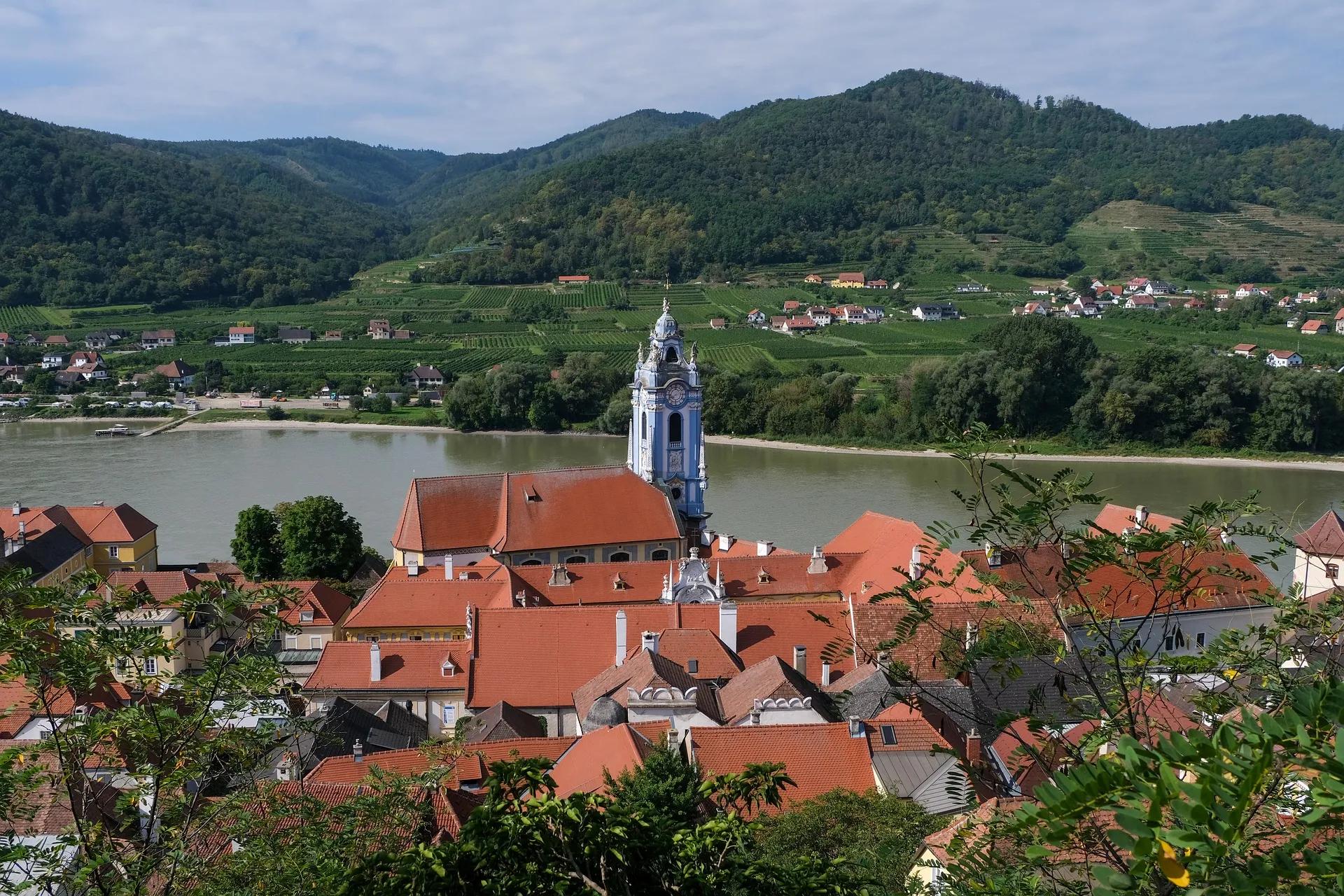
In the heart of Austria, where the Danube river carves its path through a verdant tapestry of vine-covered hillsides, lies the picturesque Wachau Valley. This UNESCO World Heritage Site, steeped in historical significance and natural splendor, is a beacon for those with a profound appreciation for the art of winemaking. A genuine viticultural wonderland, the Wachau Valley is synonymous with high-quality wines, particularly the internationally acclaimed Grüner Veltliner and Riesling.
This article, “Wachau Valley: A Wine Lover’s Paradise,” embarks on a journey through the vibrant viticulture of the region, exploring its profound heritage, unique wine classification system, distinct terroirs, and the passionate individuals who devote their lives to the cultivation of the valley’s renowned vineyards. Moreover, it provides a detailed look into wine tourism in the Wachau Valley, featuring guides to vineyard visits, wine tastings, and the region’s celebrated wine festivals. So pour yourself a glass, settle in, and let us take you on a virtual tour of this enchanting paradise for wine connoisseurs.
The Viticultural Heritage of Wachau Valley
Undoubtedly, the Wachau Valley is a symbol of Austria’s viticultural heritage, an embodiment of centuries-old traditions harmoniously intertwined with the richness of nature’s bounty. Its history in viticulture stretches back over a millennium, with the earliest records of winemaking dating back to the Celtic era. This venerable history has been colored by the influences of Roman culture, Christian monastic orders, and the cycles of economic and political change that have shaped Europe over the centuries.
The geographical features of the Wachau Valley have played a defining role in shaping its viticultural heritage. Nestled between the woodland of the Waldviertel plateau to the north and the Dunkelsteinerwald forest to the south, the valley provides a unique microclimate ideal for vine cultivation. The Danube River, the valley’s lifeline, moderates the climate, while the steep terraced vineyards expose the vines to ample sunlight, thus creating the perfect terroir for the local grape varieties.
The area’s viticulture was significantly influenced by the Christian monastic orders in the Middle Ages. Monasteries, particularly the Melk Abbey and Göttweig Abbey, owned large vineyards and made notable contributions to winemaking techniques and the development of new grape varieties. These religious institutions were the pioneers of the region’s wine industry, and their influence remains evident in the valley’s viticultural practices today.
The Wachau Valley is renowned primarily for its white wines, particularly Grüner Veltliner and Riesling. The cultivation and winemaking practices have been carefully preserved and passed down through generations. Winemakers in the region are known for their adherence to traditional methods, eschewing irrigation and artificial manipulation to let the terroir express itself genuinely.
In recognition of its distinctive viticultural heritage, the Wachau Valley was admitted to the Association of Historical Wine Regions (HWR) in 2020. Today, the valley’s winemakers continue to uphold their historic traditions while embracing modern techniques to produce wines of exceptional quality that are appreciated globally.
In conclusion, the Wachau Valley is a living testament to Austria’s viticultural heritage. Its unique terroir, steeped in history, tradition, and natural beauty, continues to produce some of the world’s most acclaimed wines, confirming its status as a true paradise for wine lovers.
The White Wines of Wachau: Grüner Veltliner and Riesling
In the world of wine, the Wachau Valley is a resounding name, primarily associated with two exceptional white wine varieties – Grüner Veltliner and Riesling. These distinctive varietals are the crowning jewels of this Austrian wine region, reflecting the idyllic terroir, time-honored traditions, and meticulous craftsmanship that define the valley’s viticulture.
Grüner Veltliner: Austria’s Signature Grape
Grüner Veltliner, often simply referred to as ‘Grüner’, is the most widely planted grape in Austria and holds a particular reverence in the Wachau Valley. Here, it finds its most expressive character, flourishing in the cool, continental climate and the rich, loess soils typical of the region. The grape’s versatility is a testament to the diversity of the terroir, with its style ranging from light and refreshing to full-bodied and complex.
Wachau’s Grüner Veltliner is renowned for its vibrant acidity, which deftly balances its innate richness. The wine typically reveals notes of green apple, pear, and white pepper on the nose, combined with citrus and herbal nuances. The uniqueness of the Wachau Valley Grüner lies in its peppery undertone and the intriguing minerality it derives from the region’s stony soils. This wine often exhibits excellent aging potential, especially the wines classified as ‘Smaragd’, which represent the most ripe, full-bodied, and highest alcohol wines from the region.
Riesling: The Expressive Import
While Riesling may have its origins in Germany, it has found a second home in the Wachau Valley. The region’s unique climate and soils, particularly the primary rock soils on the steep slopes of the Danube river, contribute to producing Rieslings with a distinctive profile. Wachau’s Riesling vines often grow on terraces that offer optimal exposure to sunlight, which, combined with the cooling influences of the river and nearby forests, ensure full ripening while maintaining high acidity.
Wachau’s Rieslings are dry, potent, and renowned for their purity and precision. They exhibit prominent stone fruit flavors, especially apricot and peach, accompanied by an invigorating citrus zest. Much like the Grüner Veltliner, Riesling from Wachau often showcases a mineral streak reflective of the region’s rocky soils. Over time, the wines develop petrol-like notes, which is a hallmark of mature Riesling. These wines, especially the robust ‘Smaragd’ category, have significant aging potential, evolving complex flavor profiles over time.
Both Grüner Veltliner and Riesling are integral to the identity of Wachau. However, their expressiveness varies according to the region’s specific vineyard sites and wine classification. Wachau adheres to a wine codex that classifies wines as ‘Steinfeder’, ‘Federspiel’, or ‘Smaragd’, based on their alcohol content and the ripeness of the grapes at harvest. This classification system, unique to Wachau, further enhances the diversity of Grüner Veltliner and Riesling expressions that the region offers.
In summary, the white wines of Wachau – Grüner Veltliner and Riesling – embody the spirit of this illustrious wine region. They are the fruit of the symbiosis between the valley’s unique terroir and centuries-old winemaking traditions, a testament to the skill and passion of its vintners. To explore these wines is to embark on a journey of discovery, where each sip reveals a new facet of Wachau’s rich viticultural heritage.
Terroir Speaks: Understanding the Wachau Wine Classification
The Wachau Valley, located in the heart of Austria, is not only celebrated for its stunning landscapes and history but also for its distinctive wine classification system. Unlike the majority of Austria that follows the Austrian Wine Law’s general classification system, the Wachau Valley has its own unique classification, structured around the specific characteristics of the region’s terroir and the ripeness of the grapes at harvest. This system, codified by the Vinea Wachau Nobilis Districtus – an association of winegrowers in the region established in 1983 – ensures the authenticity and quality of Wachau’s world-class wines.
The Vinea Wachau’s classification includes three categories: Steinfeder, Federspiel, and Smaragd. Each of these categories speaks volumes about the wine’s style and the terroir’s influence, offering insights into the climatic conditions of the vintage, the vineyard sites, and the winemaking practices.
Steinfeder: The Light and Fragrant
Steinfeder is the lightest style of wine under this classification, named after a local grass that grows amongst the vineyards of the Wachau. Wines labeled as Steinfeder are made from Grüner Veltliner, Riesling, or other permitted varieties and must not exceed an alcohol content of 11.5%. These wines are typically light-bodied, fragrant, and designed to be enjoyed young. Their lower alcohol content and fresh, fruity character make them perfect aperitifs or companions to light dishes.
Federspiel: The Harmonious Balance
Federspiel wines represent the mid-tier in the Wachau classification, named after a falconry device, reflecting the region’s historic hunting traditions. These wines have an alcohol content between 11.5% and 12.5% and are made from riper grapes than the Steinfeder. The Federspiel wines are known for their excellent balance between fruit, acidity, and body. These wines typically have more complexity and structure than the Steinfeder, and while they can be enjoyed young, they also possess good aging potential.
Smaragd: The Rich and Powerful
Smaragd, named after the green ’emerald’ lizards found in the vineyards, represents the top tier of the Wachau wine classification. These are the most full-bodied and complex wines, made from the ripest grapes, with a minimum alcohol content of 12.5%. Smaragd wines, which include both Grüner Veltliner and Riesling, are often characterized by their concentration, complexity, and excellent aging potential. They reflect the best the Wachau Valley has to offer and are best paired with rich, flavorful dishes.
Importantly, all wines under this classification are dry, with no botrytis or chaptalization allowed in their production. This strict codex ensures the quality and authenticity of the wines, showcasing the true expression of the Wachau Valley terroir.
In conclusion, understanding the Wachau wine classification is fundamental to appreciating the region’s remarkable wines. This system, with its emphasis on authenticity and quality, reflects the diverse range of styles produced in the Wachau Valley. Whether it’s the light and fragrant Steinfeder, the balanced and structured Federspiel, or the rich and complex Smaragd, each category tells a unique story about the region’s terroir, the vintage, and the craftsmanship of its winemakers.
Meet the Winemakers: Personal Stories Behind the Vines
The exceptional wines of the Wachau Valley are the fruits of the labor and passion of numerous dedicated winemakers who work tirelessly to capture the essence of the region’s unique terroir. Each vineyard tells a story, shaped by the vision, values, and experiences of the people who cultivate them. Let’s meet some of the notable personalities who contribute to the region’s illustrious viticultural heritage.
Emmerich Knoll: A Legacy of Excellence
The Knoll family has been associated with winemaking in the Wachau Valley for generations. Today, Emmerich Knoll III carries forward this legacy with an unwavering commitment to quality and tradition. Emmerich’s wines, made from both Grüner Veltliner and Riesling, reflect his belief in allowing the terroir to speak for itself, using minimal intervention to create wines that are authentic expressions of the region. His dedication to preserving the family’s time-honored winemaking practices while being open to new ideas embodies the dynamic spirit of the Wachau Valley.
Peter Veyder-Malberg: The Revivalist
Peter Veyder-Malberg is a name synonymous with dedication and revival. Not originally from a wine background, Peter embarked on a mission to revive the old, abandoned terraced vineyards of the Wachau Valley, convinced of their potential to produce exceptional wines. His efforts have borne fruit in the form of distinct, terroir-focused wines that showcase the diversity of the Wachau Valley’s microclimates. His story is a testament to the power of conviction and the rewards of hard work and perseverance.
Ilse Maier of Geyerhof: The Organic Pioneer
Ilse Maier, the owner and winemaker of Geyerhof, is a pioneering figure in organic viticulture in the Wachau Valley. Ilse and her family have been farming organically since the 1980s, long before it became a trend. Through sustainable practices, Ilse seeks to nurture the health of the vineyards and the biodiversity of the ecosystem, producing wines that reflect the purity and vitality of the land. Her story is a powerful reminder of the importance of respecting nature and the benefits of sustainable winemaking.
Leo Alzinger Jr.: The Rising Star
Leo Alzinger Jr., who took over the reins from his father, is one of the rising stars in the Wachau Valley. With a profound understanding of the local terroir and a modern approach to winemaking, Leo crafts precise and elegant wines that beautifully express the character of their vineyard sites. His wines are known for their clarity, finesse, and age-worthiness. Leo represents the new generation of winemakers who are redefining the future of the Wachau Valley while honoring its rich heritage.
These stories offer a glimpse into the world of the Wachau Valley’s winemakers, whose passion, dedication, and vision are integral to the region’s status as a premier wine-growing area. Their personal narratives, varied as the wines they create, serve as an inspiring reminder of the human element in the winemaking process – an element as crucial as the soil, climate, and grape varieties that make up the terroir of the Wachau Valley.
Wine Tourism in Wachau: Vineyard Visits and Wine Tastings
The Wachau Valley, a UNESCO World Heritage site nestled between Melk and Krems, is one of Austria’s premier wine tourism destinations. It presents a harmonious blend of stunning landscapes, rich cultural heritage, and world-class wines that attract wine lovers and travelers from around the globe. Wine tourism in the Wachau Valley is characterized by a range of engaging activities, such as vineyard visits, wine tastings, and winery tours that offer immersive experiences into the region’s vibrant viticultural scene.
Vineyard Visits: A Walk through History
The vineyard visits in the Wachau Valley provide a unique opportunity to understand the region’s terroir up close and personal. Visitors can walk along the steep terraces overlooking the Danube River, witnessing the vines that yield the renowned Grüner Veltliner and Riesling grapes. The region’s diverse microclimates and varied soil types come alive during these walks, offering insights into the factors that contribute to the distinctive profiles of Wachau’s wines. Vineyard visits also allow guests to appreciate the painstaking labor that goes into cultivating these vineyards, especially the old terraced sites that require all work to be done by hand.
Wine Tastings: An Olfactory Journey
Wine tastings in the Wachau Valley are far from ordinary. The region’s wineries offer a plethora of wine tasting options that cater to different preferences, from casual tastings for novice wine enthusiasts to structured tastings for seasoned connoisseurs. Visitors have the opportunity to sample a wide range of wines, including the light and fragrant Steinfeder, the balanced Federspiel, and the full-bodied Smaragd, each reflecting the nuances of the region’s unique terroir. Winemakers often guide these tastings, sharing stories about the wines, the vineyards, and their winemaking philosophy. These tastings often lead to fascinating conversations about the region’s viticulture and wine styles.
Winery Tours: Behind the Scenes
Winery tours offer an in-depth look into the winemaking process in the Wachau Valley. Visitors can explore the cellars where the wines are fermented and aged, often in large, traditional Austrian oak barrels. These tours provide a firsthand experience of the region’s winemaking traditions and the modern techniques employed by the wineries. Additionally, some wineries, such as the historic Domäne Wachau, offer architectural tours that highlight the cultural and historical aspects of their buildings.
Wine Events: Celebrating the Seasons
The Wachau Valley hosts numerous wine events throughout the year that add to the region’s wine tourism appeal. The highlight is the ‘Wachau in Echtzeit’ (Wachau in Real Time), an annual event that celebrates the start of the wine season. Visitors can enjoy newly released wines, local cuisine, and live music in the vineyards and cellars of participating wineries. Other events include the ‘Vinea Wachau Wine Spring’, where wineries open their doors for tastings of the new vintage, and the ‘Wine Autumn’, which marks the end of the harvest season.
In conclusion, wine tourism in the Wachau Valley offers a multifaceted experience, combining the exploration of nature, culture, and wine. It provides an intimate understanding of the region’s winemaking traditions, its unique terroir, and the passionate people behind the wines. A visit to the Wachau Valley is a sensory journey that leaves one with lasting memories and a deep appreciation of its exceptional wines.
Written by
Katharina Reiterer-MoserLicensed Austrian tour guide and travel writer, 14 years
Katharina has guided small groups across Vienna, Salzburg and the Tyrol since 2011 and holds the official Austrian tour guide license. She grew up in a farming family near Zell am See and now splits her year between Innsbruck and Vienna, testing rail routes, mountain huts and village inns. Her trip plans use real timetables and prices, such as the 3 day Vienna to Hallstatt route that costs under 120 euros in transport.